
Views: 99 Author: Site Editor Publish Time: 2025-12-15 Origin: Site
As global demand for convenient, single-serve packaging continues to grow, stick pack packaging has become a preferred format across food, beverage, nutraceutical, and personal care industries. At the same time, increasing environmental regulations and consumer awareness are pushing brands to rethink material choices.
Today, sustainable stick pack packaging—using recyclable and compostable materials—is rapidly reshaping the future of single-dose packaging worldwide.
What Is Stick Pack Packaging?
Stick packs are slim, elongated sachets designed for precise portion control and on-the-go consumption. They are commonly used for:
Powdered beverages (coffee, matcha, electrolytes)
Nutritional supplements and protein powders
Functional foods and flavorings
Pharmaceutical and OTC products
Cosmetic samples and personal care products
Their compact shape reduces material usage and transportation volume, making them inherently more efficient than traditional sachets.
Why Sustainability Matters in Stick Pack Packaging
Despite their efficiency, traditional stick packs often rely on multi-layer plastic laminates that are difficult to recycle. As a result, brands are actively searching for eco-friendly stick pack alternatives that meet both performance and compliance requirements.
Key sustainability drivers include:
Stricter packaging waste regulations (EU Packaging & Packaging Waste Directive)
Corporate ESG and sustainability commitments
Consumer preference for recyclable and compostable packaging
Growth of organic, natural, and clean-label products
Recyclable Stick Pack Materials: Moving Toward Circular Packaging
One of the most significant trends is the adoption of recyclable mono-material structures, especially PE-based and PP-based films.
Common Recyclable Stick Pack Solutions
Mono-PE recyclable films
MDO-PE structures for improved stiffness and barrier
Recyclable barrier films with EVOH or ALOX coatings
These materials are designed to be compatible with existing recycling streams in North America and Europe, while still offering protection against moisture, oxygen, and light.
Benefits
Supports circular economy goals
Meets retailer and regulatory requirements
Maintains product freshness and shelf life
Compostable Stick Pack Packaging: The Next Evolution
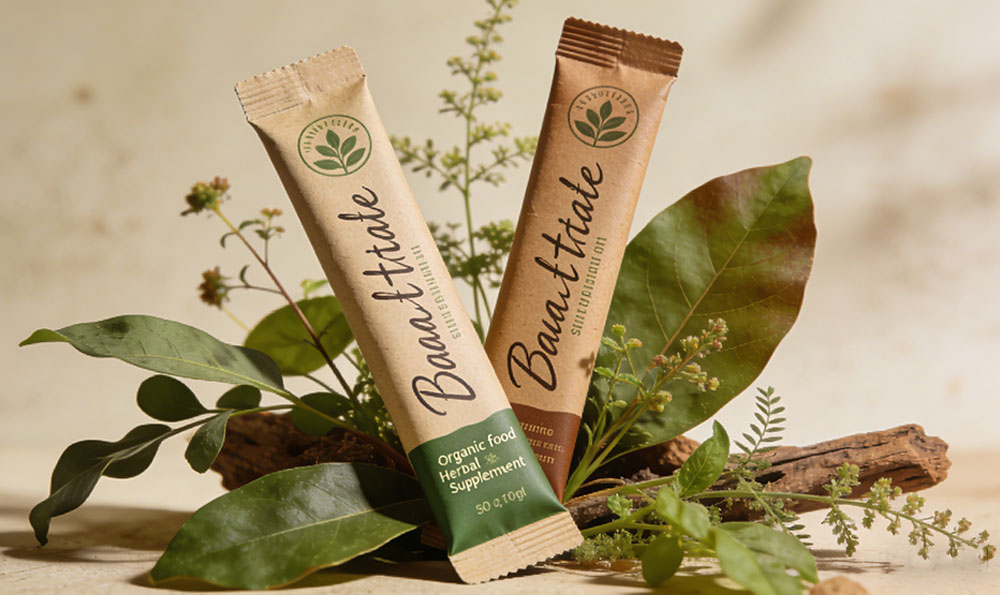
For brands focused on zero-waste and compostable packaging, compostable stick packs are gaining traction—particularly in organic food, supplements, and specialty beverage markets.
Typical Compostable Materials
PLA-based compostable films
Bio-based laminated structures
Certified industrial or home compostable materials (EN 13432, ASTM D6400)
These solutions are ideal for organic and environmentally conscious brands, especially when aligned with clear disposal instructions and certifications.
Performance & Design Considerations
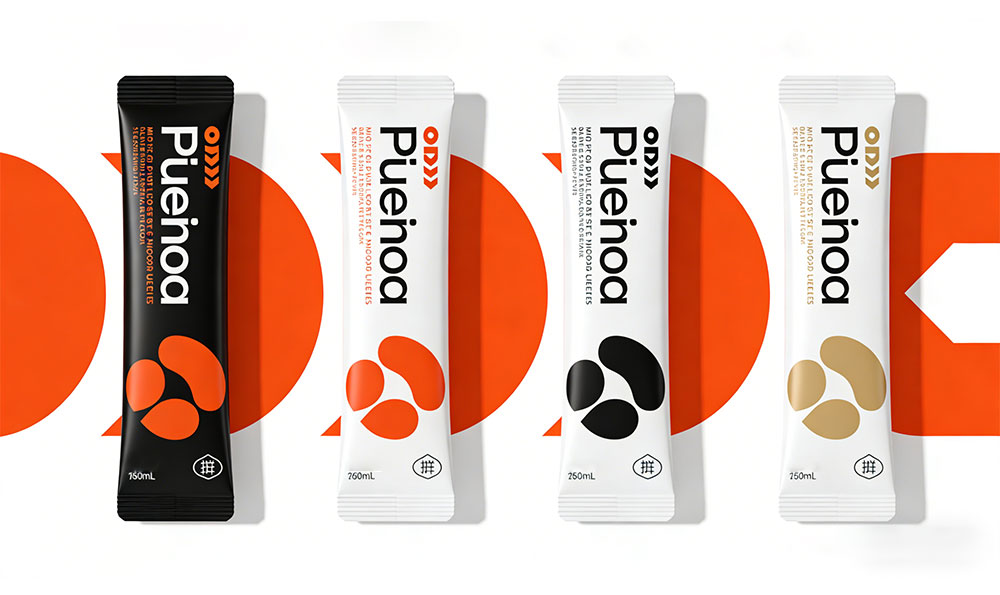
Sustainable materials must deliver more than environmental benefits. Modern eco-friendly stick packs are engineered to balance:
Barrier performance (moisture, oxygen, aroma)
Seal strength & machinability
High-quality printing for branding
Compatibility with stick pack filling machines
Advancements in material science now allow sustainable stick packs to match—or even exceed—the performance of conventional plastic packaging.
Why Choose Sustainable Stick Pack Packaging for Your Brand?
Reduce environmental footprint
Improve brand credibility and market positioning
Meet global sustainability regulations
Appeal to eco-conscious consumers
Optimize logistics with lightweight, space-efficient packaging
At Bio Pack, we specialize in custom sustainable stick pack packaging solutions, offering both recyclable and compostable materials tailored to your product and market requirements.
Whether you are launching a new product or transitioning from conventional plastic, our team helps you move toward responsible, future-ready packaging.
The rise of sustainable stick pack packaging marks a critical shift in single-serve packaging design. From recyclable mono-material films to certified compostable solutions, brands now have access to packaging that combines convenience, performance, and sustainability.
As regulations tighten and consumer expectations evolve, investing in eco-friendly stick pack packaging is no longer optional—it is a competitive advantage.


