
Views: 99 Author: Site Editor Publish Time: 2025-12-11 Origin: Site
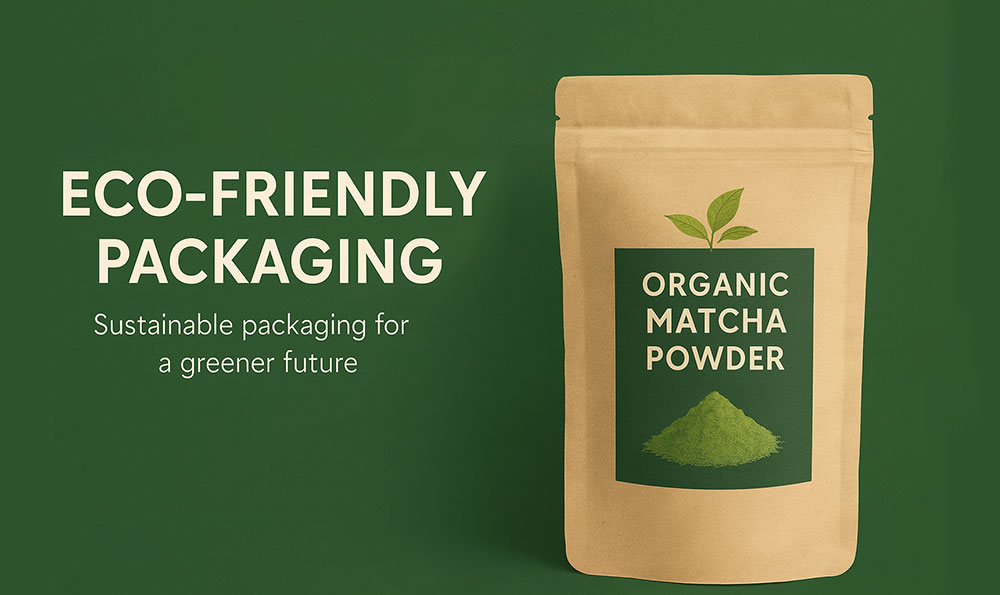
Organic matcha has become one of the fastest-growing product categories in markets such as the U.S., Europe, and Australia. As consumers shift toward healthier lifestyles, they expect brands to use packaging that reflects the same values — clean ingredients, ethical sourcing, and environmentally responsible materials.
However, matcha is also extremely sensitive to light, oxygen, heat, and moisture, which means packaging must balance high barrier protection with eco-friendly materials.
In this article, we explore the top sustainable materials used for organic matcha packaging bags in 2025 and how your tea brand can choose a greener solution without compromising freshness or quality.
1. Compostable PLA + Paper Laminates
Compostable packaging is one of the most popular choices for organic and vegan brands. PLA (Polylactic Acid), derived from corn starch or sugarcane, offers excellent sustainability benefits.
Why PLA Laminates Are Great for Matcha
Made from 100% renewable, plant-based resources
Certified compostable (Industrial or Home Compost options available)
Pairs well with kraft paper for a natural, eco-premium appearance
Suitable for small pouches, refill bags, and sample sizes
2. Recyclable Mono-Material PE or PP Films
Mono-material packaging is rapidly becoming the standard across Europe and North America due to its compatibility with existing recycling streams.
Benefits of Recyclable Matcha Bags
Made of a single polymer (PE or PP) — easy to recycle
Can achieve medium-to-high oxygen & moisture barrier
Lightweight and cost-effective for large-scale e-commerce shipments
Accepted in most local recycling facilities (varies by region)
3. Kraft Paper Bags With High-Barrier Inner Films
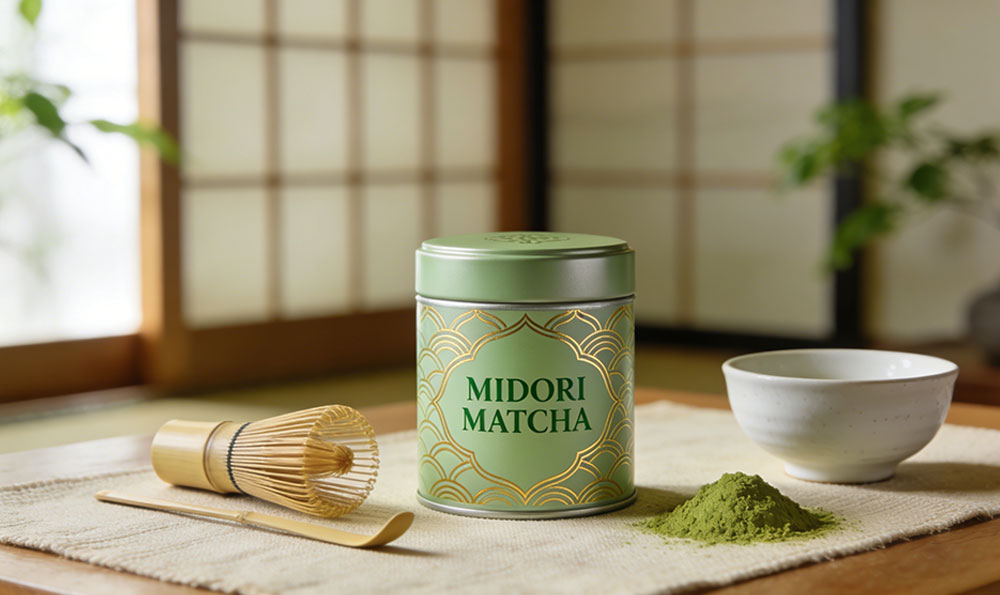
Kraft paper is one of the most visually appealing and "organic-feeling" materials for matcha packaging. However, because matcha is highly sensitive, kraft paper alone is not enough — it must be supported by a barrier layer.
Advantages
Natural, rustic, eco-friendly appearance
Excellent for premium organic and artisanal matcha brands
Printable with soy-based inks for a fully eco-friendly solution
Wco-barrier options inside for the kraft paper bags include PLA film, recyclable PE film, water-based barrier coatings, and ALOX or EVOH-free barrier layers.
4. Bio-Based Materials (Sugarcane PE, PBAT, PHA)
Bio-based materials offer the look and feel of plastic while reducing dependency on fossil fuels.
Why Brands Love Bio-Based Options
Lower carbon footprint
Renewable plant-based content
Can be made into recyclable or compostable structures
Works well with air-tight matcha powder packaging
5. Aluminum-Free High-Barrier Films
Traditional matcha bags use aluminum foil for protection, but aluminum is not easily recyclable in laminated structures.
The 2025 trend is shifting to aluminum-free, recyclable high-barrier films, such as ALOX-coated films, high-barrier PE, and high-barrier PP.
Benefits
Recyclable
Lightweight
Excellent oxygen & moisture resistance
Maintains matcha’s vibrant green color and freshness
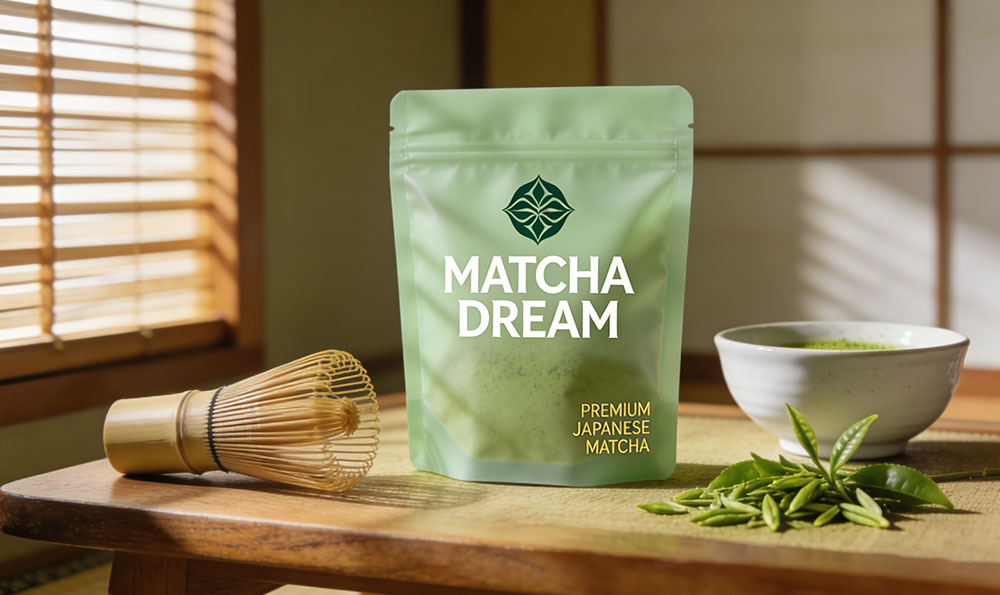
How to Choose the Right Eco-Friendly Packaging for Your Matcha Brand
When selecting sustainable matcha bags, consider:
Shelf life requirements
Matcha needs strong protection — choose materials with high OTR/MVTR performance.
Target market regulations
Different GEO markets have unique recycling laws.
Brand positioning
Kraft paper = natural feel
Aluminum-free barrier = premium look
PLA = eco-friendly brand statement
Filling method
Manual filling, nitrogen flushing, or automated form-fill-seal (FFS) may affect material selection.
FAQ: Eco-Friendly Organic Matcha Packaging
1. Are compostable matcha bags truly eco-friendly?
Yes — when certified and properly disposed of. For high-barrier needs, compostable PLA laminates perform well for small and mid-size matcha packs.
2. Which packaging keeps matcha freshest?
Aluminum-free high-barrier films or mono-material recyclable laminates with strong oxygen barriers.
3. Is kraft paper packaging suitable for matcha?
Yes, but only with an inner barrier layer to protect from air, moisture, and UV light.
4. Are recyclable bags accepted globally?
Acceptance varies. The U.S., U.K., Germany, and Australia support PE/PP mono-material recycling more widely.
At Bio Pack, we supply certified eco-friendly packaging for matcha brands worldwide, and we support brands all over the world with custom designs, fast production, and sustainable materials.
Contact us for custom samples or packaging quotes today.


